Electronic clocking systems traditionally used cards or fobs to clock meaning there were always issues when cards were lost or misplaced or even damaged leading to more input from the system administrators.
Biometric clocking helped alleviate these types of problems with fingerprint sensors used to clock in and out. However with the advent of the Covid 19 pandemic fingerprint biometrics became a problem due to its touch nature.
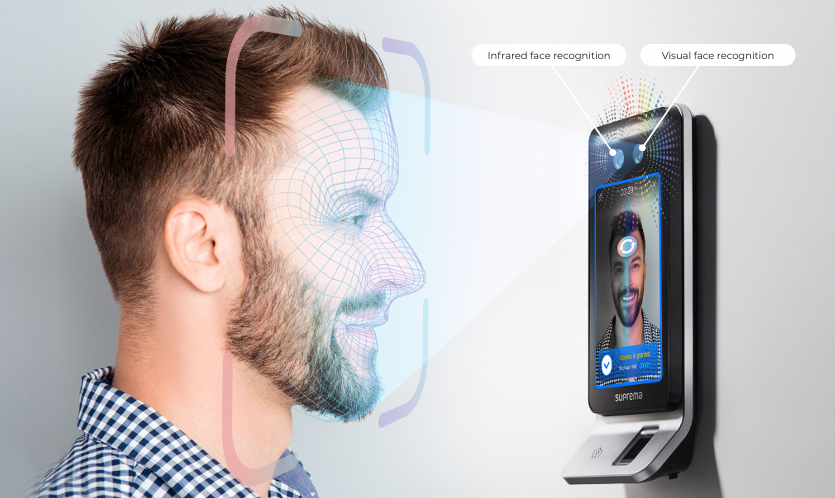
Moving to a facial recognition reader removes this problem also providing a fully contactless way for your staff to clock in and out.
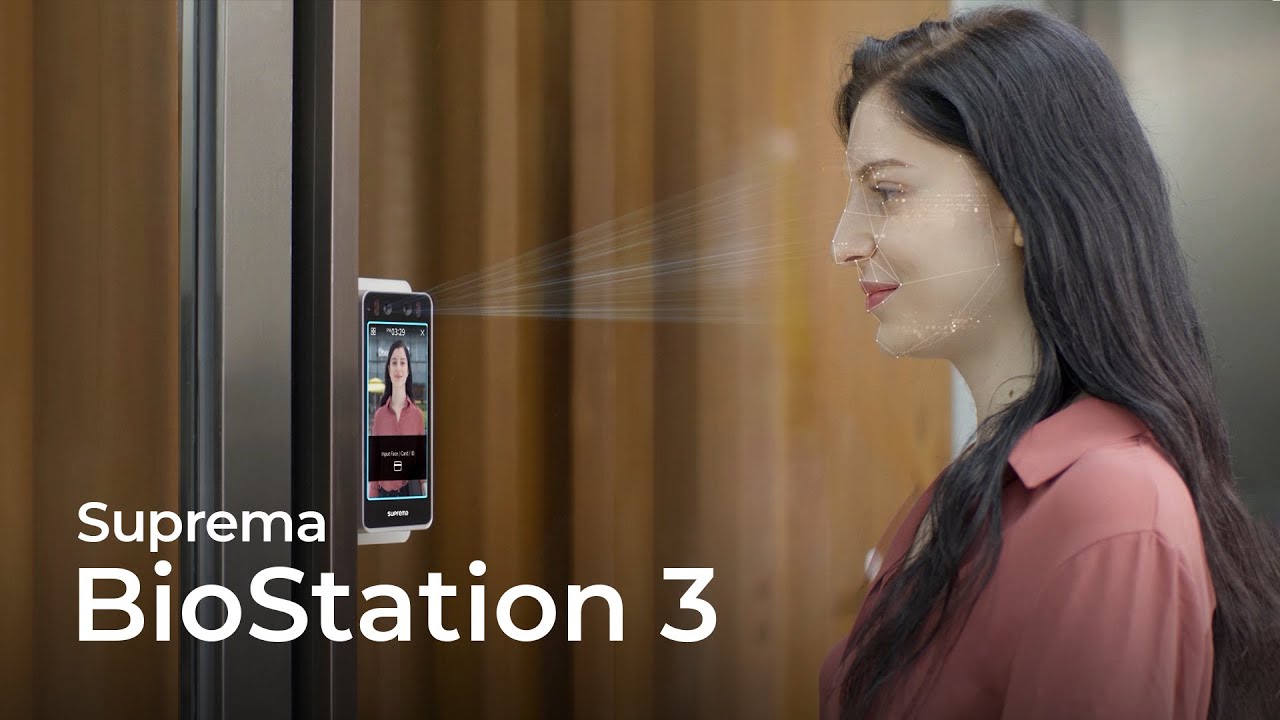
Face is the easiest way to distinguish individuals among people. Facial authentication device feels closest to people without repulsion because it authenticates by recognizing people’s faces. Suprema’s facial authentication technology helps with fast, easy and intuitive user authentication and it offers various possibilities.
Facial Authentication: The Essential Contactless Solution for Sustainable and Safe Social Environments Post-Pandemic

Facial Authentication technology has come a long way since it first came to market several years ago. Initially plagued with technical challenges and widely viewed as a futuristic solution, facial authentication is now firmly implanted in numerous consumer and business products and applications. New advancement in software, specifically in the areas of algorithms, neural networks and deep learning and/or artificial intelligence (AI), have all dramatically improved both the performance and accuracy of facial authentication further expanding its use for an increasing number of applications.
From a purely business perspective, facial authentication’s powerful identification and authentication capabilities make it ideal for two primary applications: first as a security tool, and second as a workforce management solution.